Montenegro joins TwinIt ahead of EU accession
13.05.2026NewsMontenegro joins TwinIt ahead of EU accession
The Ministry of Tourism of Montenegro, with the support of Arctur, has for the first time participated in the TwinIt! 3D digitisation campaign — joining EU Member States in contributing to the common European data space for cultural heritage, ahead of the country's EU accession.
What is TwinIt?
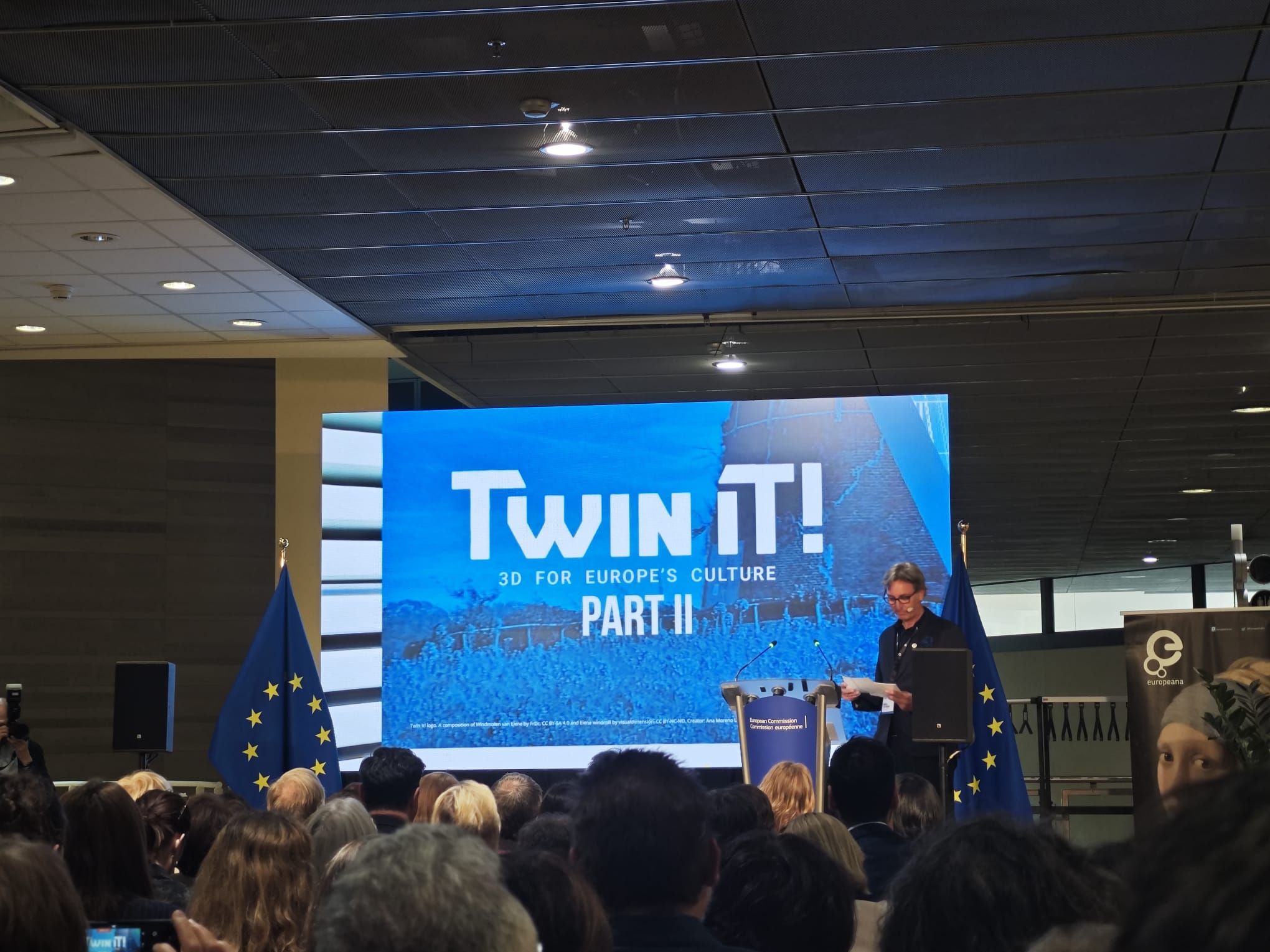
TwinIt! 3D for Europe's culture is a campaign run by the European Commission and the Europeana Initiative to collect and showcase emblematic, high-quality samples of Europe's cultural assets in 3D. Ministries of Culture are invited to liaise with their national cultural institutions to submit at least one 3D digitised heritage asset to the common European data space for cultural heritage, with a long-term goal of digitising all endangered monuments and 50% of the most visited sites across Europe by 2030.
The current edition, Twin it! Part II, runs from June 2025 to June 2026 and places a stronger emphasis on the planned reuse of digitised assets — in education, tourism, research, and beyond.
Final conference in Brussels
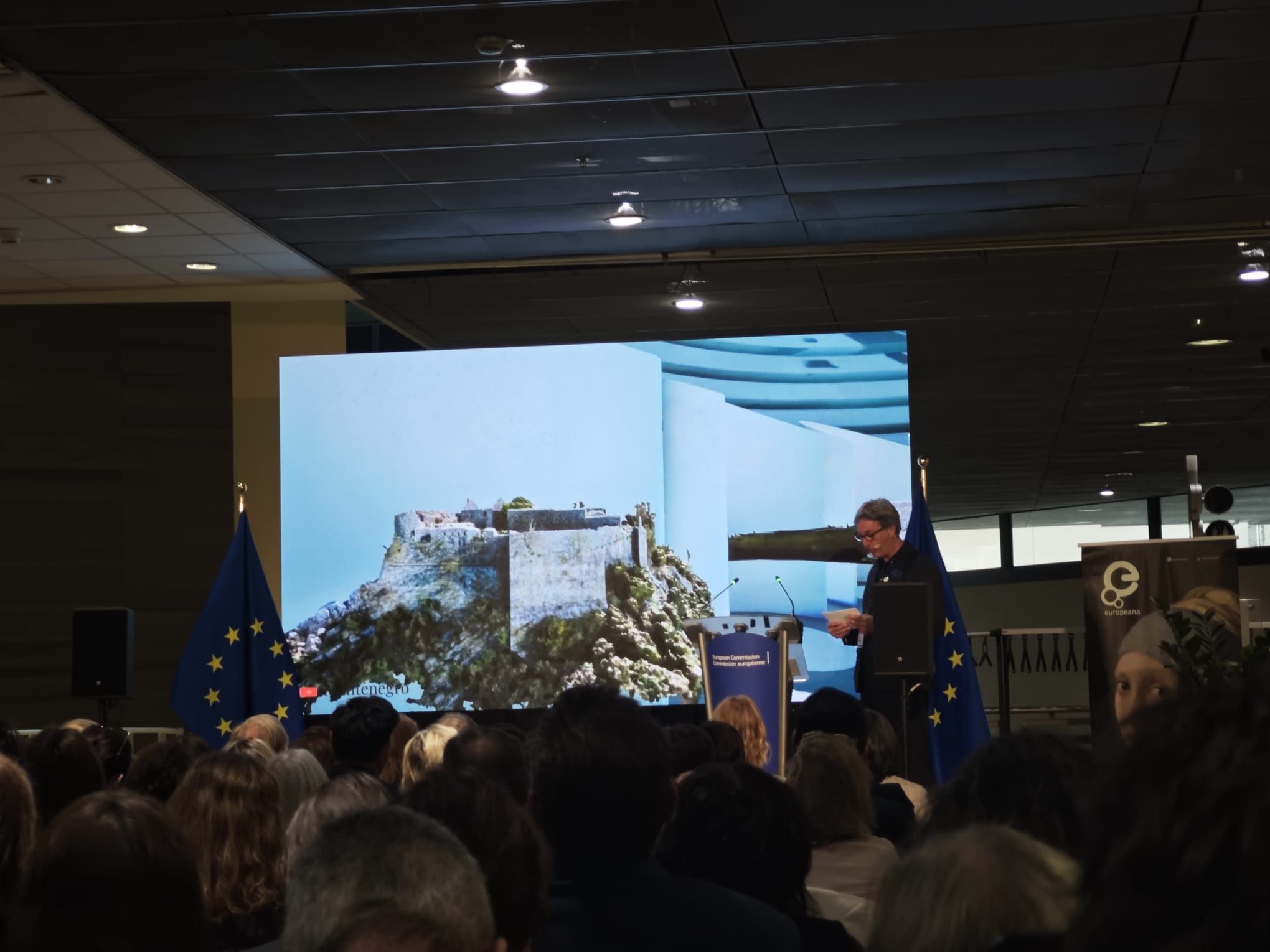
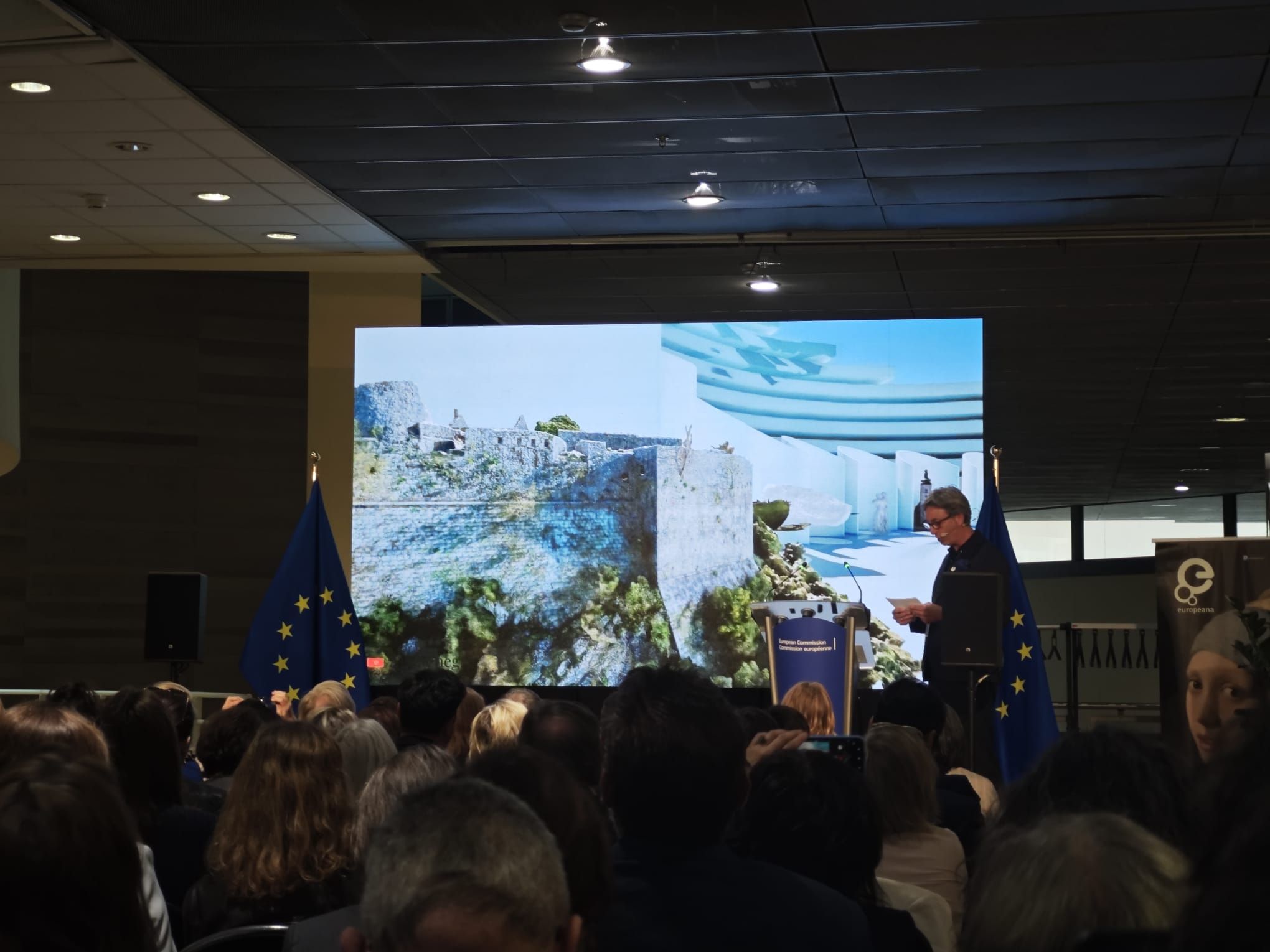
On 12 May 2026, a high-level political closing event was organised at the Schuman Room of the Berlaymont building in Brussels, co-organised by the European Commission and the Europeana Foundation. Ministers of Culture from EU Member States gathered to present their national contributions and share their vision for the future reuse of 3D-digitised cultural heritage. Montenegro's contribution was presented at the event as part of the campaign's results.
Montenegro's contribution
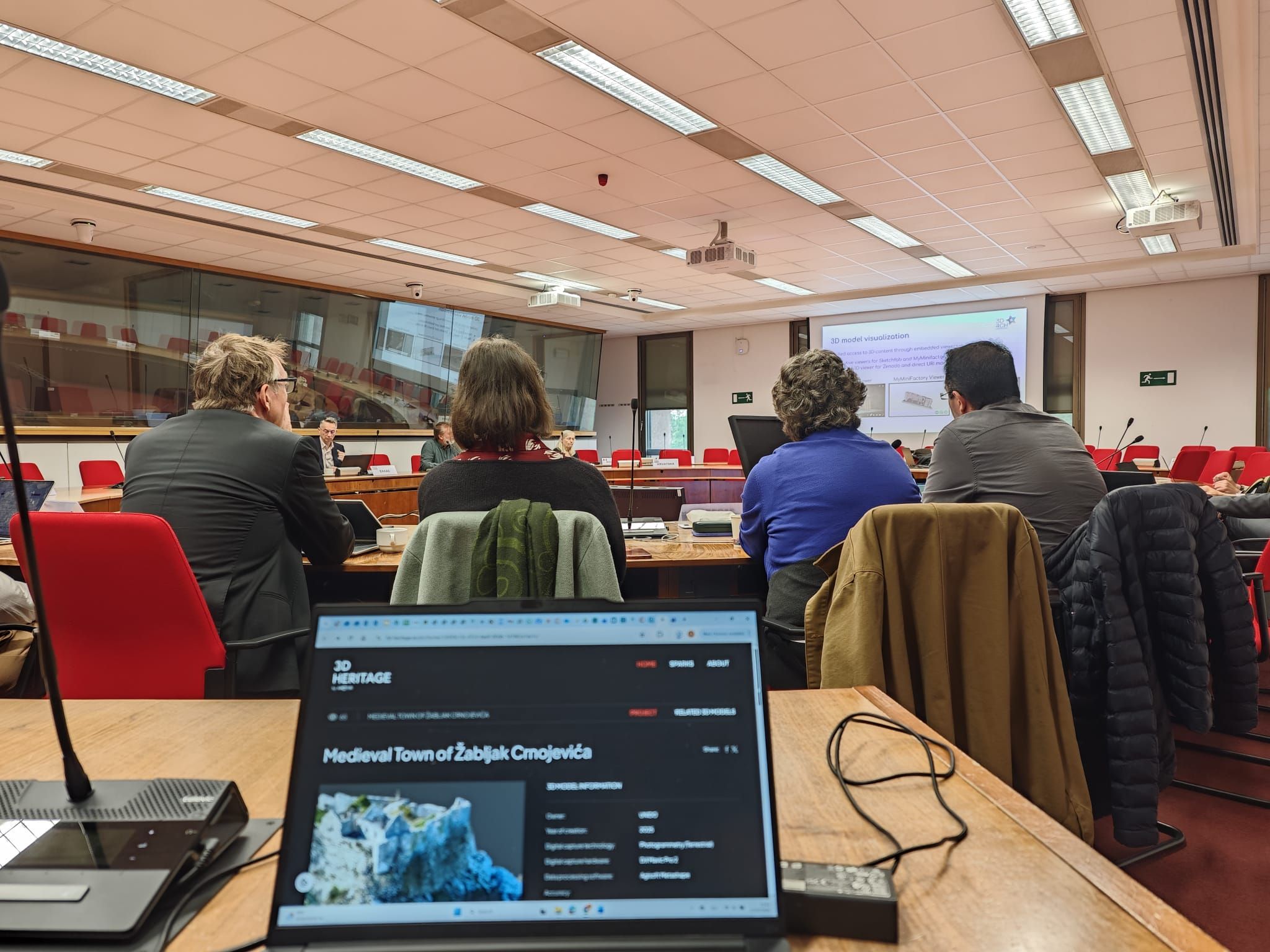
Montenegro contributed two high-quality 3D models: Fort Goražda and Žabljak-Crnojevića Fortress, both now publicly accessible on Europeana. The models were prepared in accordance with EU standards and equipped with metadata following the Europeana Data Model, ensuring full interoperability with the European cultural heritage ecosystem.
Arctur supported the Ministry of Tourism by providing hosting infrastructure, an embeddable 3D viewer, and assistance with metadata preparation.